


In today's rapidly developing field of modern biotechnology and regenerative medicine, the treatment of hair loss has welcomed a highly anticipated cutting-edge innovative ingredient-PTD DBM peptide. As a revolutionary natural hair repair technology, it directly targets intracellular biochemical signaling pathways, providing a novel and comprehensive solution to the problems of hair follicle atrophy and regeneration. To help you fully understand this star peptide, this article will simply and clearly reveal what PTD DBM hair growth is, its powerful synergistic mechanism with valproic acid (VPA), and its remarkable hair regrowth efficacy.If you are interested in PTD DBM hair growth supplier, please feel free to contact Xi'an Sonwu.
What is PTD DBM with valproic acid
The synergistic amplification effect of PTD DBM combined with valproic acid (VPA) is a highly anticipated golden combination for hair regrowth in modern molecular medicine. In the development and cyclical evolution of hair follicles in mammals, the Wnt/β-catenin signaling pathway plays a decisive role, and the CXXC5 protein acts as a "natural braking system" in this pathway. It completely blocks the signal transduction driving hair growth by binding to the intracellular scaffold protein Dishevelled (Dvl). PTD DBM peptide works as a competitive inhibitor, binding to the CXXC5 protein with extremely high affinity, thus successfully releasing this "brake" and releasing the locked-in Dvl protein. However, simply "releasing the brake" is not enough. To allow hair follicles to regrow at an astonishing speed, a "signal accelerator" needs to be activated, which is precisely the significant role of valproic acid (VPA). Valproic acid, a well-known glycogen synthase kinase-3β (GSK-3β) inhibitor, can directly prevent the degradation of β-catenin protein, promoting its rapid and stable accumulation in the cytoplasm and its smooth translocation to the nucleus. Therefore, its combination with valproic acid forms a perfect dual regulatory network: PTD DBM is responsible for "removing the barrier" at the front end, while valproic acid "aggressively promotes" Wnt signaling at the back end. This complementary mechanism not only significantly activates the expression of downstream hair growth target genes such as Cyclin D1, but also achieves a leapfrog breakthrough at the biological level from "preventing hair loss" to "reversing hair follicle miniaturization" and "inducing new hair follicle formation."

What is PTD DBM natural hair restoration peptide treatment
PTD DBM peptide is gradually becoming a focus of research in the field of hair loss. Unlike traditional chemical drug interventions, the core value of this peptide lies in its precise regulation of intracellular biogenic signaling pathways. From a biochemical perspective, it was designed to overcome the inherent biological barriers in the regeneration of human hair follicles. In the scalp tissue of people with hair loss, there is a common overexpression of a negative regulatory protein called CXXC5. This protein forcibly locks the key signal switches regulating hair follicle growth, causing hair follicles to remain in the resting phase for a long time and gradually atrophy. The emergence of it essentially provides a highly specific molecular key to this physiological bottleneck. It cleverly integrates protein transduction domain technology, enabling the effective peptide chain to efficiently penetrate the cell membrane and directly enter the target cell. As a peptide therapy with extremely strong natural properties, it does not rely on changes in hormone levels in the body, nor does it take effect through destructive chemical reactions. Instead, it follows the body's own metabolic and repair logic, restoring the vitality that hair follicles should have through competitive binding at the molecular level, thus earning the high praise of "natural repair" in the scientific community.
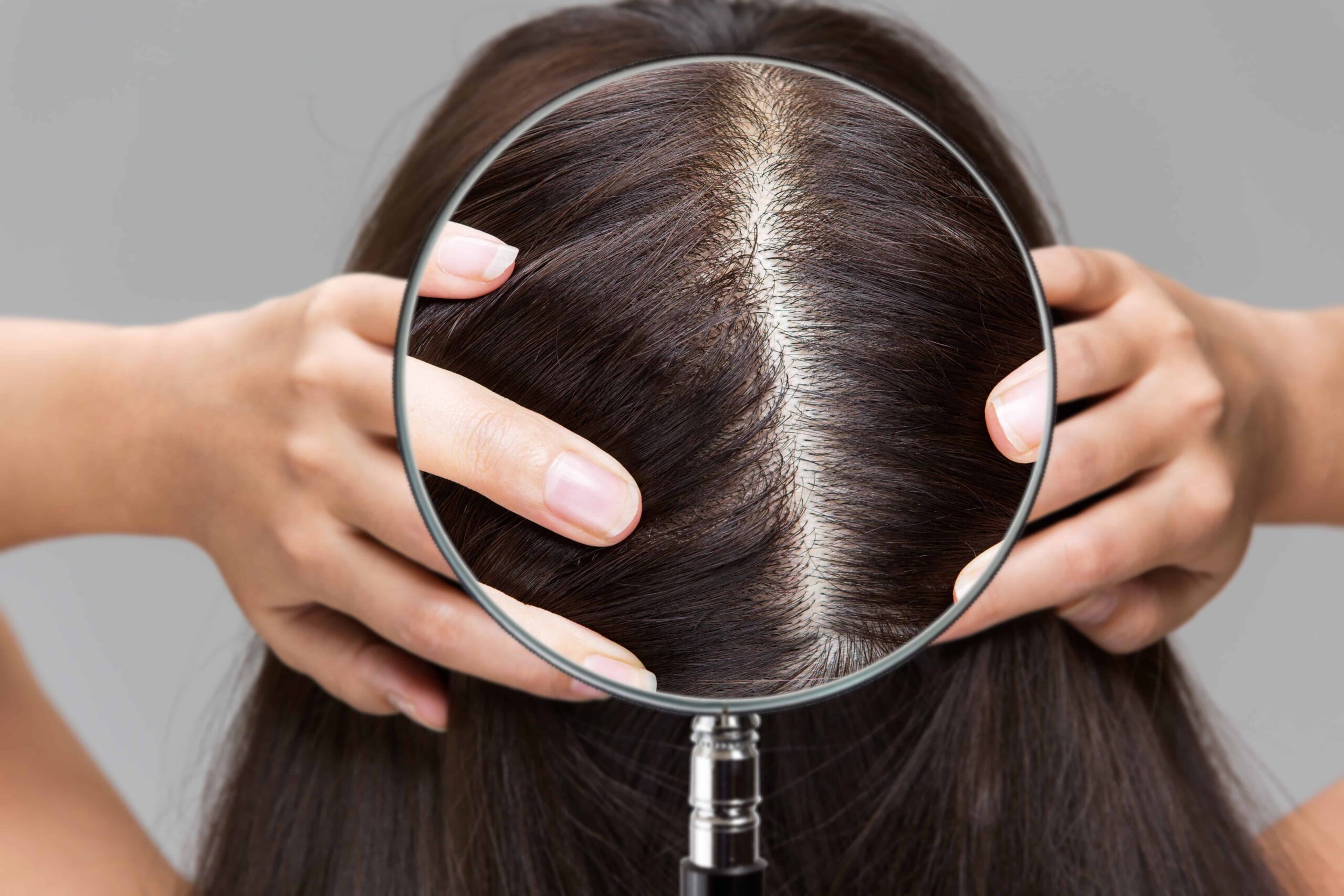
What are the benefits of PTD DBM hair restoration treatment
Having clarified the intracellular synergistic mechanism between this peptide and signaling pathway activators, the core efficacy of this innovative peptide therapy lies primarily in reshaping the scalp microenvironment and significantly increasing overall hair density. As a regenerative repair approach targeting the cellular level, its primary benefit lies in its ability to drastically shorten the resting phase of hair follicles, effectively reviving atrophied follicles that have been in a "dormant" or "false death" state due to signal blockage, thus restoring their hair regrowth function. Compared to minoxidil or finasteride commonly used in the market, this treatment based on Wnt pathway reconstruction exhibits unparalleled structural rejuvenation advantages. It doesn't just provide temporary symptom relief, but rather promotes a substantial increase in the volume of hair follicles, macroscopically manifested as a significant increase in the diameter and hardness of newly shed hair, as well as a significant improvement in overall density. More importantly, due to the high molecular specificity of PTD DBM's target, it exerts a powerful hair follicle regeneration effect without interfering with the body's overall endocrine or hormonal system, successfully avoiding the systemic side effects common in traditional hair loss drugs. This dual technological advantage of high efficacy and biocompatibility not only improves the natural texture and color of hair but also provides a new and truly meaningful hope for natural regeneration for those who have developed resistance or sensitivity to the side effects of traditional therapies.
If you want to know PTD DBM hair growth factory price, are interested in Xi'an Sonwu, or have other questions about the product, do not hesitate to contact Xi'an Sonwu.