


With growing interest in exercise science, researchers are exploring what happens inside muscle cells when the body undergoes physiological stress. While exercise is widely recognized as vital for maintaining health, even routine physical activity triggers a complex series of cellular changes-processes involving energy production, redox balance, pH levels, and muscle metabolism.
Scientists are examining these processes in greater detail, aiming to better understand how muscles respond to high-intensity activity and how various natural compounds influence these physiological reactions.
What Happens to Muscles During Exercise?
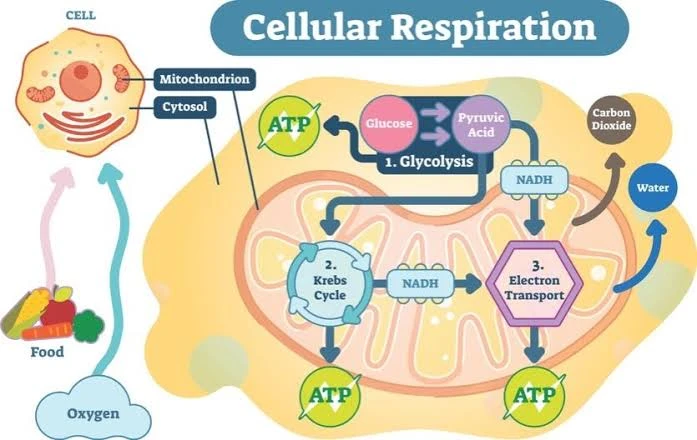
When a person exercises, skeletal muscle's energy demands far exceed those at rest. To meet this demand, muscle cells ramp up both ATP production and consumption (the cell's primary energy currency).
During high-intensity or prolonged exercise, this surge in energy demand stresses multiple biological systems. Muscles must rapidly adjust energy metabolism, maintain a stable internal environment, and manage the metabolic byproducts generated by heightened cellular activity.
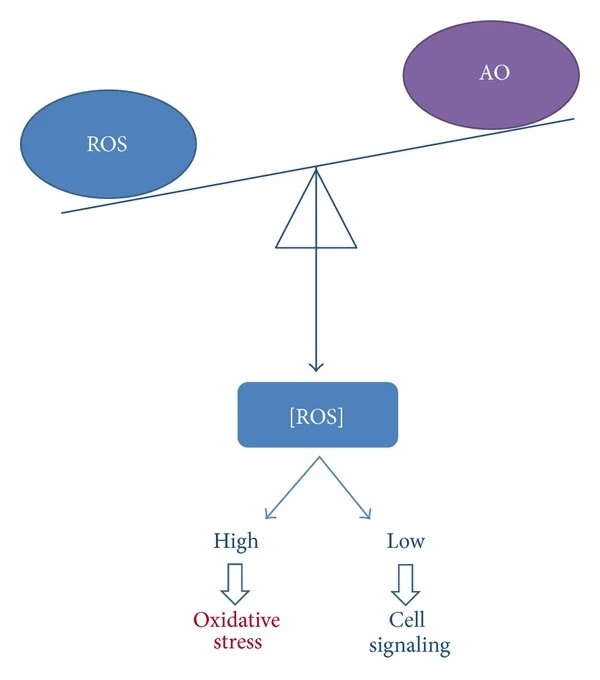
Redox balance is a key area of scientific interest. Exercise increases reactive oxygen species (ROS) production. These molecules are not inherently harmful; moderate amounts of ROS support normal cellular signaling and adaptation. However, excessive oxidative stress can disrupt cellular structures and biological processes.
This has prompted researchers to investigate how muscles naturally regulate oxidative stress and maintain cellular stability during physical activity.
Another critical factor is muscle pH. During high-intensity exercise, changes in energy metabolism can increase acidity in muscle tissue. Consequently, muscle cells' ability to buffer these changes has become a significant topic in exercise physiology research.
Why Are Researchers Focusing on Muscle-Related Dipeptides?
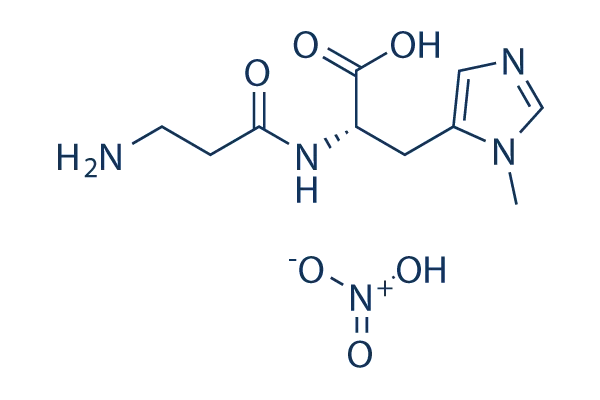
Among the many compounds attracting attention, histidine-containing dipeptides-a class of small molecules naturally found in skeletal muscle-stand out. Two well-known members of this group are carnosine and anserine. Despite their structural differences, both substances are composed of β-alanine and a methylated histidine-related component. Scientists investigate these compounds because they may play significant roles in muscle pH buffering, antioxidant activity, and cellular protection.
Among them, anserine has emerged as a popular subject in biochemical research. Researchers can now move beyond assessing muscle function solely through macroscopic indicators-such as strength or endurance-to delve into how microscopic molecules participate in intracellular physiological processes. This approach helps address broader questions: How do muscle cells respond to metabolic stress? How does the body maintain redox balance? Can natural compounds provide valuable models for understanding these processes? Research in this field does not imply that any specific compound has been proven to enhance human athletic performance or accelerate recovery. Rather, scientists are gradually building a clearer picture of the biological mechanisms linking muscle activity to cellular metabolism.
Where does nitrate-related research fit in?
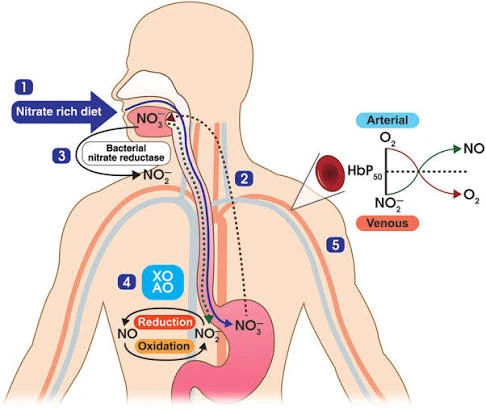
Nitrate is another compelling area of study because it is involved in biological pathways associated with nitric oxide. Research into the "nitrate-nitrite-nitric oxide" pathway has spanned diverse fields, including blood flow, oxygen utilization, vascular biology, and exercise physiology.
This has prompted researchers to explore combining compounds with distinct biochemical properties within a single research framework. L-anserine nitrate is a prime example; it is a nitrate derivative of the naturally occurring dipeptide L-anserine. From a research perspective, it attracts attention because it integrates the properties of anserine with the chemical characteristics of nitrate.
Consequently, L-anserine nitrate powder is a valuable subject for experiments investigating the interplay between histidine-containing dipeptides, muscle metabolism, redox balance, and nitrate-related biological pathways. It is important to note, however, that the presence of nitrate does not make L-anserine nitrate equivalent to other dietary nitrate sources or to nitric oxide itself. The biological effects of a specific compound depend on its chemical structure, metabolic pathways, dosage, and experimental conditions. For researchers, clearly understanding this distinction is crucial. To gain a deep understanding of a specific compound, one must examine its unique properties rather than simply assuming-based merely on certain shared characteristics-that the two substances' chemical components will produce identical biological effects.
A Broader Perspective: Examining Exercise-Induced Stress
The growing interest in muscle metabolism reflects a broader shift in exercise research. Scientists are increasingly viewing exercise as a complex biological stress process rather than focusing solely on physical performance.
Muscle contraction influences energy production, mitochondrial activity, oxygen utilization, redox balance, intracellular signaling, and metabolic intermediate generation. These processes interact to create a highly dynamic environment within muscle tissue. This complexity may explain why researchers are exploring multiple physiological pathways simultaneously. For instance, understanding oxidative stress helps reveal how muscle cells respond to repeated physical loads; studying buffering systems helps explain how muscles maintain internal stability during intense activity; and research into nitrate-related pathways may offer new insights into oxygen utilization and blood circulation. Collectively, these areas of study contribute to a more comprehensive understanding of muscle biology.
What Might Future Research Reveal?
Many questions remain to be answered. Laboratory findings do not always translate directly into observable effects in the human body; compounds exhibiting interesting biochemical properties in vitro may behave quite differently in vivo. Future research may investigate how anserine-related compounds interact with muscle metabolism, oxidative pathways, mitochondrial function, and exercise-induced physiological changes. Researchers may also explore the interplay between nitrate-related pathways and other metabolic systems. Advanced analytical techniques will provide robust support for these studies, enabling scientists to measure subtle changes in metabolites and cellular signaling before, during, and after exercise.
The goal of this research is not merely to identify a single compound that explains muscle performance, but to better understand the biological network that enables muscles to adapt to physical stress.
As the field evolves, research-grade materials-such as L-anserine nitrate-will serve as powerful tools for controlled laboratory studies. For suppliers of ingredients and research materials, factors such as product characteristics, purity, stability, analytical data, and batch-to-batch consistency are becoming increasingly important in supporting this type of research. A broader scientific question remains compelling: how do muscles maintain cellular homeostasis under stress? By investigating various relevant small molecules and metabolic pathways, researchers can continue to uncover new connections linking exercise, energy metabolism, and redox balance to muscle biology. For organizations evaluating research-grade L-anserine nitrate or related compounds, access to clear product specifications, analytical documentation, and testing data facilitates laboratory assessment and supports future research applications.